Basic vs Intermediate First Aid: The New Names for Emergency and Standard First Aid
First 2 Aid Inc. · September 24, 2026
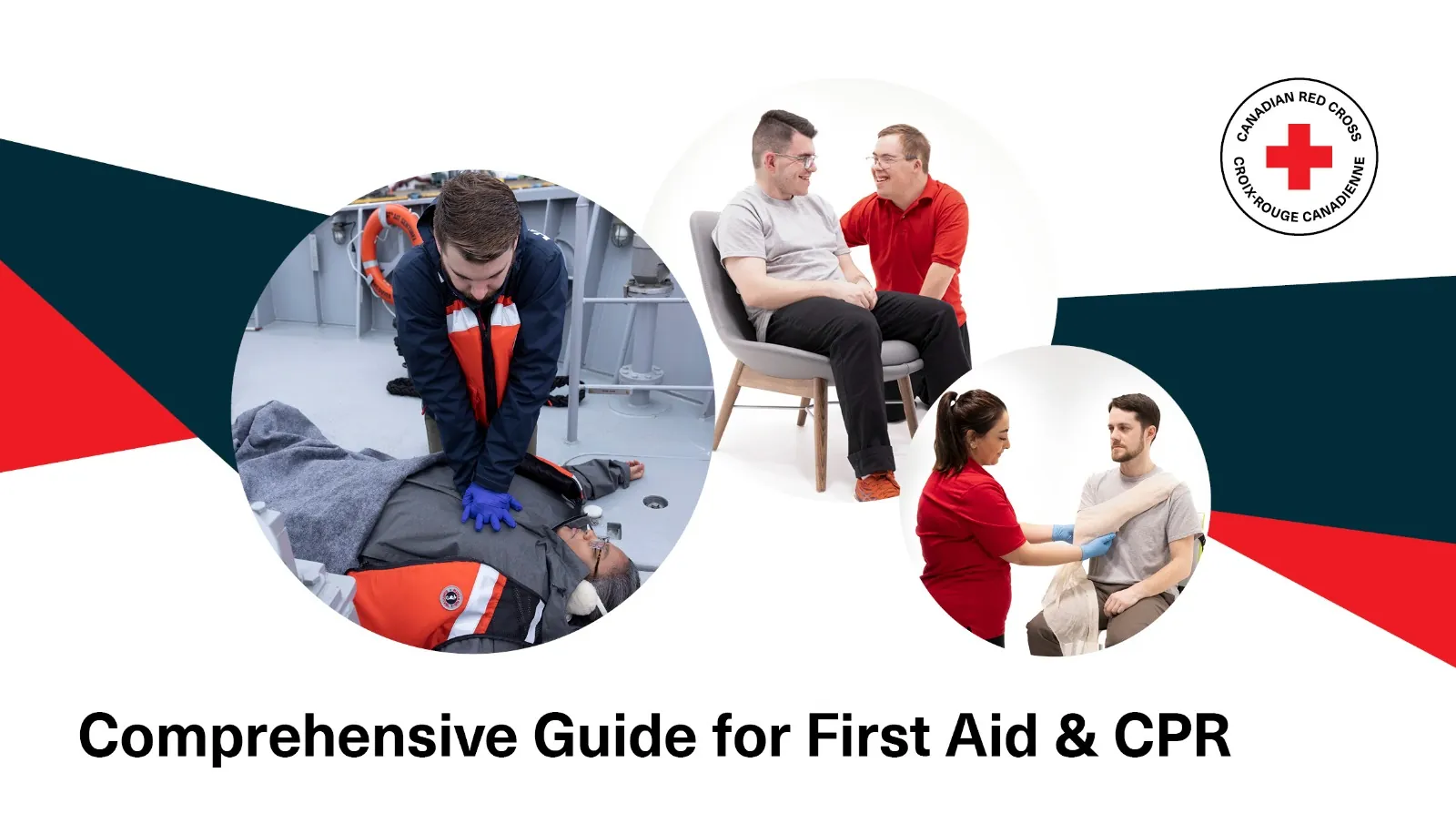
If you've searched for "Standard First Aid" or "Emergency First Aid" lately and found courses with different names, you're not in the wrong place. The Canadian Red Cross has renamed its two main first aid courses:
- Emergency First Aid is now called Basic First Aid
- Standard First Aid is now called Intermediate First Aid
The names changed, but the purpose of each course didn't. This guide explains the difference between them, how long each one takes, and how to pick the right one for your job or your workplace.
Quick answer: which course do I need?
| If you need… | Take this course |
|---|---|
| CPR and AED skills only | CPR Level A or Level C |
| A one-day first aid certificate (formerly Emergency First Aid) | Basic First Aid & CPR |
| A full workplace first aid certificate (formerly Standard First Aid) | Intermediate First Aid & CPR |
| Training for a healthcare job | BLS (Basic Life Support) for Healthcare Providers |
Not sure? Your employer or school will usually tell you the exact course name. If they still use the old name, the table above shows the match.
What's the difference between CPR Level A and Level C?
Every first aid course includes CPR, and the level tells you who you're trained to help:
- CPR Level A covers CPR and AED use for adults.
- CPR Level C covers CPR and AED use for adults, children and babies.
Most workplaces ask for Level C, because you can't choose who needs help. If you're unsure, Level C is the safer choice.
Basic First Aid (formerly Emergency First Aid)
Basic First Aid is the shorter course. It covers the essentials for responding to an emergency until paramedics arrive, including:
- CPR and AED use
- Choking
- Circulation emergencies, like heart attack and stroke
- Wound care and bleeding control
How long it takes: Basic First Aid with CPR Level C takes a minimum of 7 hours in class, or about 4 hours of online learning followed by at least 5 hours in class.
Who it's for: people who need a first aid certificate for work, volunteering or coaching, and anyone who wants solid emergency skills for home.
Intermediate First Aid (formerly Standard First Aid)
Intermediate First Aid includes everything in Basic First Aid, and goes further. You'll also learn how to handle:
- Head, neck and spine injuries
- Fractures (broken bones) and dislocations
- Sudden medical emergencies, like seizures and diabetic emergencies
- A wider range of injuries you may see at work
How long it takes: Intermediate First Aid with CPR Level C takes a minimum of 14 hours in class (usually over two days), or about 8 hours of online learning plus at least 7.5 hours in class.
Who it's for: workplaces that need a fully trained first aider on site, and anyone who wants the most complete certificate.
Which one does my Ontario workplace need?
In Ontario, workplace first aid rules come from WSIB Regulation 1101. The number of workers on a shift decides which certificate you need:
- 1 to 5 workers on a shift: at least one person with Basic First Aid (formerly Emergency First Aid) and CPR.
- 6 or more workers on a shift: at least one person with Intermediate First Aid (formerly Standard First Aid) and CPR.
Each shift counts separately. If your busiest shift has six people, you need an Intermediate First Aid certificate on that shift, even if other shifts are smaller.
Rules can change and some industries have extra requirements, so always check the latest guidance from WSIB for your workplace.
Online, blended, or fully in class?
Both courses come in two formats:
- Fully in class: all learning happens with an instructor.
- Blended: you do the theory online at your own pace, then come in for a shorter hands-on session.
Blended learning is popular with busy people because it cuts time away from work. The hands-on part can't be skipped, though. You need to practise CPR, bandaging and other skills in person to get certified.
Do I need to recertify?
Yes. First aid and CPR certificates expire, and national, provincial and territorial rules may affect when you need to renew. When your certificate is close to expiring, a recertification course is shorter (and usually cheaper) than taking the full course again.
Get certified in London, Ontario
First 2 Aid Inc. is a Canadian Red Cross Training Partner in London, Ontario. We teach Basic First Aid, Intermediate First Aid, CPR and BLS courses for individuals and workplaces, with in-house training available for teams.
See upcoming courses or contact us to book training for your team.